Rename Yourself: The Japanese Artist Tradition of Becoming Someone New on Purpose
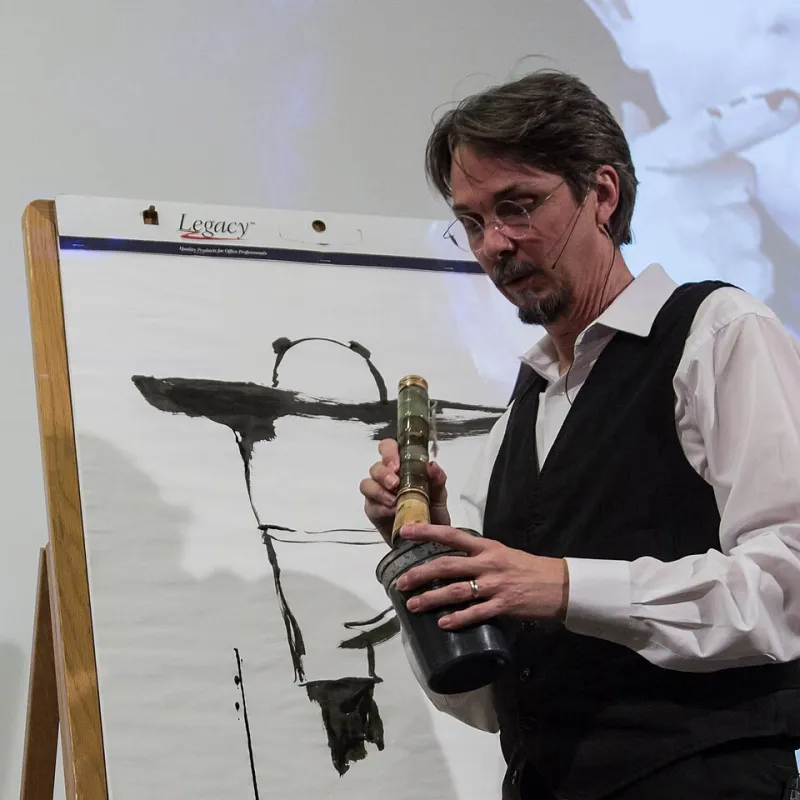
Photo: Alvintrusty, CC BY-SA 3.0, via Wikimedia Commons
Somewhere around 2019, a manga artist known by one pen name quietly finished a long-running series, disappeared from social media for a few months, and returned under a completely different name with a completely different visual style. No announcement. No farewell post. No brand pivot deck. Just — gone, then back, different.
In the West, this would have been a crisis. In Japan, it was barely a surprise.
A Name Is Not Who You Are. It's Who You're Being Right Now.
The Japanese tradition of gō — an artistic pseudonym or alias — goes back centuries. Haiku masters, woodblock print artists, tea ceremony practitioners, kabuki performers: all of them used names that were separate from their birth names, often multiple names over the course of a career. Hokusai, the artist behind The Great Wave, used over thirty different names throughout his life. Each one marked a different period, a different preoccupation, a different version of his practice.
This wasn't confusion or instability. It was documentation. The name change said: that work belongs to who I was. This work belongs to who I am now.
In kabuki theater, the tradition of shūmei — name succession — takes this even further. A great actor's name isn't retired when they die. It's inherited by the next performer who has earned it, passed down like a piece of equipment. The name carries the legacy. The person wearing it is expected to grow into it, not just carry it.
These are very different ideas about what a name actually is.
Why Western Creators Treat Rebranding Like a Confession
In American creative culture, changing your name or brand identity tends to read as one of two things: a desperate pivot after something went wrong, or a calculated marketing move. Neither interpretation is particularly flattering. We're suspicious of reinvention. We want our creators legible, consistent, and accountable to every version of themselves they've ever publicly been.
This makes a certain kind of sense in a culture where personal brand is treated like a corporation's brand — something to be managed, protected, and scaled. But it creates a weird trap. Creators who grow and change have no clean mechanism for signaling that growth. They're stuck defending old work they've outgrown, or quietly embarrassed by early material they can't disown.
The Japanese gō tradition solves this problem elegantly. The old name doesn't disappear. It just becomes historical. You can look back at everything published under that name and understand it as a distinct body of work from a distinct creative period. The new name isn't a denial of the past — it's a frame around it.
When a Name Change Signals Growth vs. When It's Just Running Away
Here's where it gets complicated, and it's worth being honest about: not every creative name change is a genuine evolution. Some of them are escape attempts. A creator gets canceled, or their work stops performing, or they burn out on a style they built a following around — and a new name looks like a clean slate.
Japanese creative culture distinguishes between these, even if not always explicitly. The respected name change comes from a place of completion. You finished something. You closed a chapter. The new name is earned by the body of work that preceded it, not by the desire to escape it. The kabuki actor doesn't inherit a legendary name because they want a fresh start — they inherit it because they've demonstrated they're ready to carry what it means.
The question worth asking before any creative reinvention: Am I changing my name because I've grown, or because I want to stop being accountable to where I was? One of those is a creative act. The other is just hiding.
Pen Names as Parallel Universes
There's another layer to this that's particularly interesting for creators working across multiple genres or audiences. Many Japanese writers and artists maintain separate names for genuinely different bodies of work — not because one is better or more legitimate than the other, but because they're simply different things made by different aspects of the same person.
A novelist who also writes children's books. A fine art painter who does commercial illustration. A musician who makes ambient records under one name and produces hip-hop beats under another. In Japan, this kind of parallel identity isn't unusual or suspicious. It's practical. It respects the audience's relationship to each body of work without forcing everything under one uncomfortable umbrella.
American creators are slowly warming to this. Plenty of musicians have alter egos now — Beyoncé's Sasha Fierce era opened a lot of doors for that conversation. But it's still often framed as a gimmick or a performance rather than a genuine organizational strategy for a complex creative life.
How to Actually Do This Without Losing Your Audience
If you're a creator thinking about a name change or a new creative identity, the Japanese model offers a few practical principles.
Close the chapter first. Don't announce a rebrand while you're still in the middle of something. Finish the series, complete the project, release the album. Let there be a natural ending point. The new name should feel like a door opening, not a window escape.
Make the connection visible, at least once. Hokusai didn't pretend his earlier names didn't exist. He acknowledged the lineage. You can do the same — a single post, a note in a bio, a brief acknowledgment that connects the dots for longtime followers. Then move forward.
Let the new name be genuinely new. If you're changing your name but making the exact same work, the name change is meaningless. The name should mark a real shift in practice, aesthetic, or intention. Otherwise it's just a rebrand with no substance behind it.
Give it time. New identities need room to breathe. Resist the urge to immediately cross-promote everything from your old name into your new one. The whole point is to let the new work establish its own identity.
You're Allowed to Become Someone Else
There's something genuinely freeing about a creative culture that says: you are not permanently defined by the first version of yourself that people met. Your name is not a cage. It's a container — useful while it fits, replaceable when it doesn't.
You don't have to carry every old piece of work like luggage. You don't have to defend a style you've grown out of. You don't have to be the same artist at forty that you were at twenty-three.
Japanese creative tradition has been saying this for centuries. The permission was always there. You just have to decide to use it.