Going It Alone Has Never Looked This Good: What Japanese Creators Know About Working Solo
There's a particular kind of exhaustion that comes from watching your favorite creator announce yet another collaboration. Another limited drop with someone tangentially related to their brand. Another guest feature that dilutes the thing you loved about them in the first place. If you've felt that low-grade disappointment before, you're not alone — and apparently, neither are a growing number of Japanese artists who have decided the whole collab cycle just isn't for them.
This isn't about being difficult. It's not even really about being antisocial. It's something much more intentional than that.
The Collab Economy and Its Hidden Costs
Let's be honest about what collaboration culture has become in the US creative space. What started as a genuine way to cross-pollinate audiences and push creative boundaries has, in a lot of cases, turned into a growth hack dressed up in aesthetic clothing. Two creators merge audiences, both get a follower bump, everyone claps, and then... the work itself sometimes feels like a press release more than a piece of art.
The metrics make it look good. The soul of it can feel hollowed out.
Japanese creators — particularly those working in visual art, music, and independent design — have been quietly pushing back on this model for a while now. Not loudly. Not with manifestos. Just by... not doing it. And by doing extraordinarily specific, deeply personal work instead.
Ikigai Isn't a Poster, It's a Practice
You've probably seen the ikigai Venn diagram floating around Pinterest or in some wellness newsletter. The one with four overlapping circles: what you love, what you're good at, what the world needs, what you can be paid for. It's a useful framework, sure. But in Japanese creative culture, ikigai operates less like a diagram and more like a daily discipline.
For artists who take it seriously, ikigai is the reason you make what you make. It's the thread that connects your output to something true inside you. And here's the thing about that kind of purpose-driven work — it's very hard to maintain when you're constantly bending your vision to accommodate someone else's brand or audience.
A lot of Japanese independent creators talk about protecting their ikigai the same way you'd protect your health. Collaborations aren't automatically bad, but they require careful evaluation. Does this serve the work, or does it just serve the numbers? That's a question more American creators are starting to ask — often after discovering Japanese artists who modeled the behavior first.
The Solitary Excellence Thing Is Real
There's a concept that doesn't have a clean English translation but gets at something important: the idea that working alone, deeply and consistently, produces a kind of excellence that collaborative environments simply can't replicate. It's not that solo work is always better. It's that certain kinds of mastery only emerge through extended, uninterrupted immersion in your own creative world.
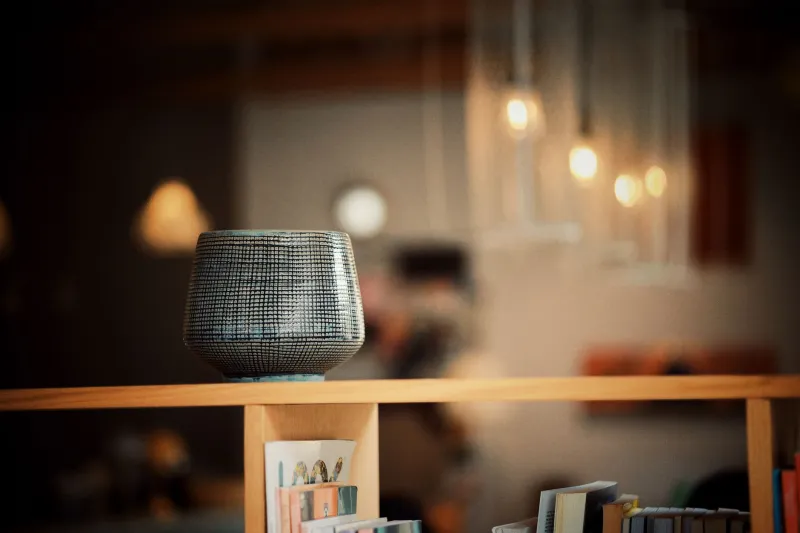
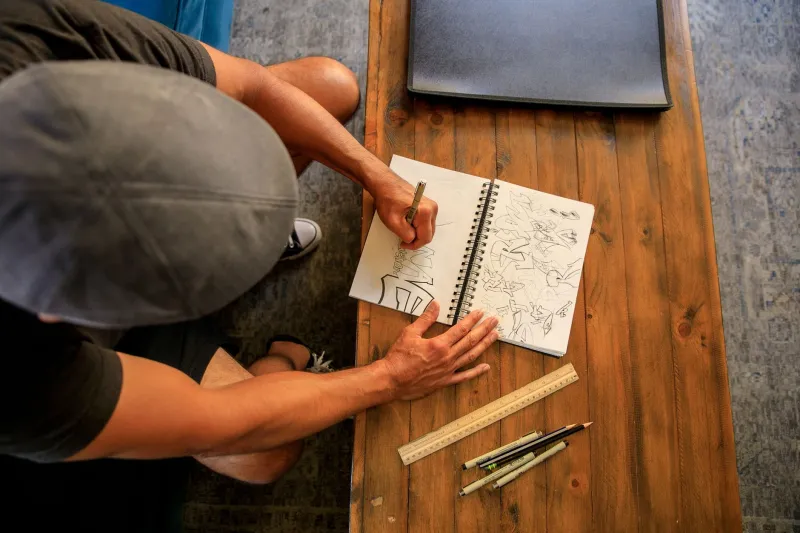
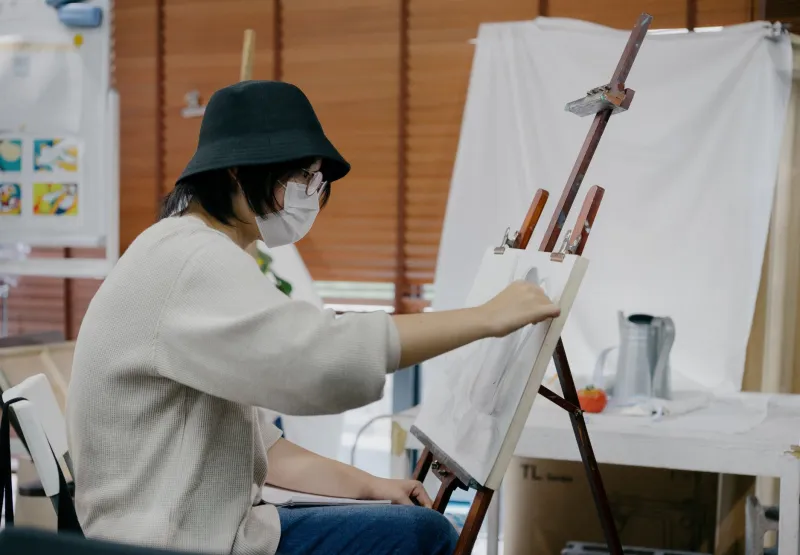
Think about the Japanese ceramicists who spend decades refining a single glaze. The underground producers who spend years building a sound that's completely theirs before anyone outside their city knows their name. The illustrators whose work has such a specific visual language that you'd recognize it in a lineup of a thousand pieces. That level of distinctiveness doesn't come from committee. It comes from solitude.
American creators are starting to clock this. There's a reason that some of the most talked-about independent artists right now — across music, visual art, and even content creation — are the ones who feel like they came from somewhere specific and stayed there. The ones who didn't sand down their edges to fit into a collaboration that looked good on paper.
What Saying No Actually Opens Up
Here's the counterintuitive part. Japanese creators who decline collaborations aren't shrinking their reach — a lot of them are deepening it. When you say no to spreading your creative energy across partnerships that don't align with your vision, you end up with more capacity to put into the work itself. And audiences notice.
There's a loyalty that forms around artists who feel singular. When someone's output has a consistent, unmistakable quality — when you can tell it's them from the first few seconds of a track or the first glance at an image — that creates a different kind of fan relationship. Not the casual follow. The real one. The kind where people actually buy the thing, show up to the show, tell their friends.
Some of the most devoted fanbases in independent Japanese music and art aren't built on massive reach. They're built on depth. On the feeling that this person made something that could only have come from them.
The American Creator Takeaway
None of this means you should never collaborate. Some of the best creative work in history came from two people pushing each other somewhere neither would have gone alone. The point isn't to romanticize isolation for its own sake.
The point is to be honest with yourself about why you're saying yes. Is it because this collaboration genuinely excites you and serves the work? Or is it because you're chasing a follower count and this is the fastest path there?
Japanese creators who work solo aren't doing it because they can't find partners. They're doing it because they've decided their vision is worth protecting. They've looked at the collab industrial complex and quietly, politely, declined to participate — and then gone back to their studios to make something that couldn't have existed any other way.
That's not antisocial. That's discipline. And in a creative landscape that rewards noise and volume, it turns out discipline is one of the rarest things you can offer an audience.
So the next time you feel pressure to co-sign someone else's project just to stay visible, maybe ask yourself what a Japanese ceramicist would do. Probably nothing flashy. Probably just go back to the wheel and make the thing better.
That's usually the right answer.