Getting Paid to Stay Unfinished: How Japanese Creators Turned the Process Into the Product
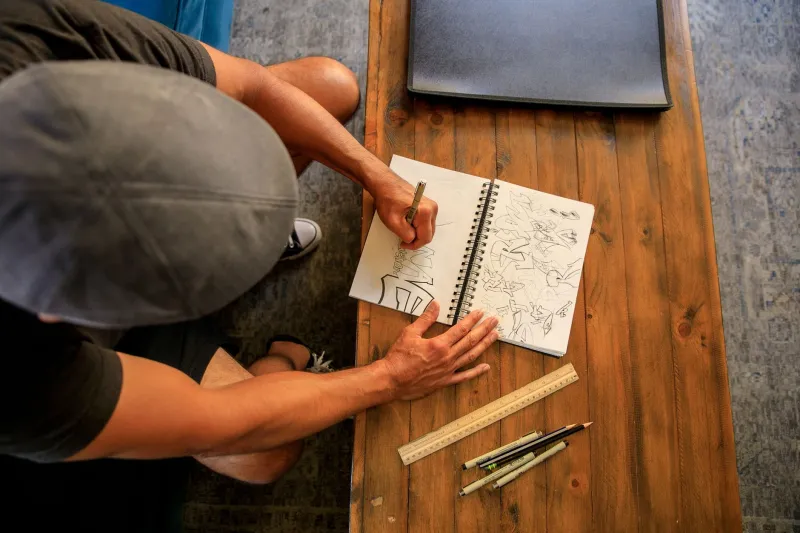
There's a specific kind of anxiety that lives in the creative brain — the one that says you can't share this yet. Not until it's ready. Not until it's done. Not until you've sanded off every rough edge and made it look like the whole thing arrived fully formed, effortlessly perfect.
A lot of us have been trained to believe that's the deal. You make the thing, you finish the thing, then you get to share the thing. The process stays hidden. The struggle stays private. Only the polished version goes public.
But a quiet movement among Japanese artists and creators is flipping that script entirely — and making money doing it.
The Work Is the Work, Not the Result
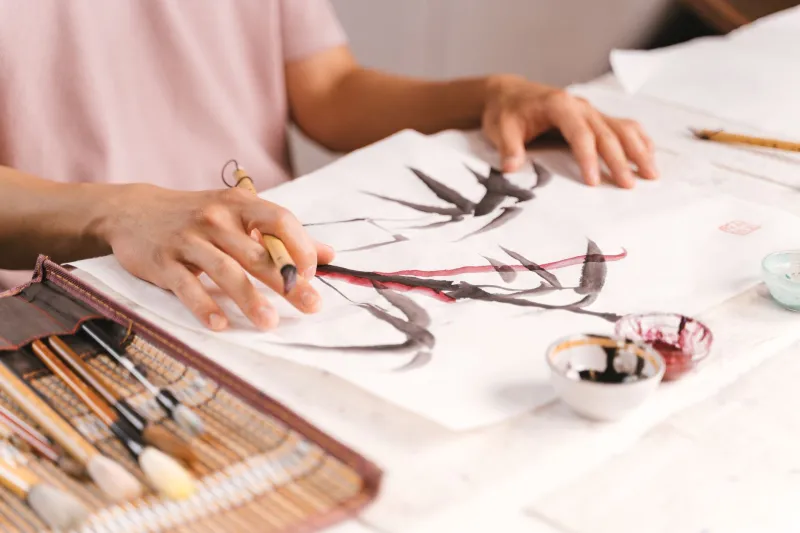
In Japan, there's a long-standing appreciation for craft as a living, ongoing practice rather than a series of completed deliverables. The tea ceremony isn't about the cup of tea at the end. The ink painting isn't about the finished scroll. The act of doing — with full presence and intention — carries its own weight.
That philosophy is showing up in some pretty modern places right now.
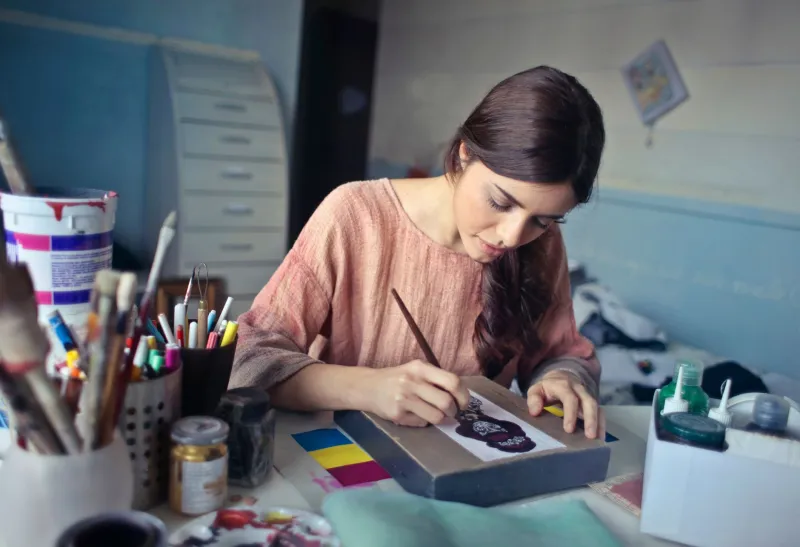
Creators across Japan — illustrators, musicians, ceramicists, textile artists, manga writers — are building subscription-based communities around work that is explicitly, openly unfinished. They're not hiding the rough drafts. They're charging for access to them. Patrons don't just get the final print; they get the sketch that became the sketch that eventually became the print. They get the voice memo that became the chord progression that might one day become a song.
And people are paying for that. Enthusiastically.
Why Audiences Are Hungry for the Middle
Here's the thing about the finished product: it's kind of alienating. When you see a stunning illustration or hear a perfectly produced track, the gap between where you are and where that creator is can feel enormous. Discouraging, even.
But when you watch something become — when you're there for the false starts and the happy accidents and the "I almost deleted this whole section" moments — you feel connected. You feel like you're part of something. That sense of participation and proximity is genuinely rare in a content landscape that's drowning in polish.
Japanese creators who've built communities around their in-progress work often describe their supporters less like customers and more like collaborators. Members vote on directions. They leave comments that actually influence where a piece goes. They get early access to work that might change dramatically before (or if) it ever reaches a wider audience.
That's a fundamentally different relationship than the one-way broadcast most creators are still operating under.
The Economics Actually Work
Skeptical? Fair. But the numbers behind this model are harder to argue with than you might expect.
A creator with 500 dedicated Patreon supporters paying $10 a month is pulling in $5,000 monthly — not from finished albums or gallery sales, but from the act of creating in front of an audience. For many independent artists, that kind of reliable income is the thing that makes everything else possible. It's what lets you take your time. It's what lets you stay unfinished without the financial panic that usually forces a premature ending.
Several Japanese illustrators and concept artists have talked openly about how this model changed their relationship to their own work. When the process itself is the offering, you stop treating every piece like it has to justify its existence by being perfect. The journey becomes the content. The evolution becomes the story.
And in a media environment where audiences are starving for authenticity — where "behind the scenes" content consistently outperforms the polished final product on social — there's something genuinely strategic about leaning into unfinished.
What Western Perfectionism Gets Wrong
American creative culture has a complicated relationship with incompletion. We celebrate the launch, the debut, the drop. We love a finished thing. And we've built a lot of shame around anything that doesn't meet some imaginary standard of ready-ness.
The irony is that some of the most beloved creative work in American culture — the director's cut, the demo tape, the sketchbook page — is the unfinished version. People go wild for the early Beatles recordings. They lose their minds over Basquiat's raw notebooks. The unfinished thing often carries more energy, more humanity, more life than whatever got cleaned up for mass consumption.
Japanese creators who've built their practices around this idea aren't doing something radical just for the sake of disruption. They're following a cultural logic that's always understood incompletion as a valid state of being — one worth honoring, not rushing past.
Letting People In Without Losing Yourself
There's a real question here, though: if your audience is watching the work develop in real time and weighing in on its direction, how do you protect your own creative vision? How do you stay the author of your own story?
This is something Japanese creators in this space talk about a lot, and the answers are more thoughtful than you might expect. The best practitioners of this model are clear about the difference between sharing the process and outsourcing it. They invite people to witness and respond, but they maintain the final say. Audience input becomes one ingredient among many — not a directive.
The creator who handles this best isn't performing openness as a marketing strategy. They're genuinely inviting people into a space they've made safe for ambiguity. That takes a certain kind of confidence — not the confidence of knowing where you're going, but the confidence of being okay with not knowing.
The Invitation
If you're a creator who's been sitting on something because it doesn't feel finished — because you're waiting for that mythical moment when it's finally ready — this model might be worth thinking about differently.
What if the thing you've been hiding is exactly the thing people want to see?
What if the rough edges aren't the problem? What if they're the point?
Japanese artists building sustainable careers from unfinished work aren't doing it because they gave up on excellence. They're doing it because they figured out something most creators miss: the people who love your work want to love you making it, not just the artifact you leave behind.
The masterpiece might never be done. That might be exactly why it's worth paying attention to.