When the Wall Does the Talking: How Japanese Curation Is Changing the Way Americans Display What They Love
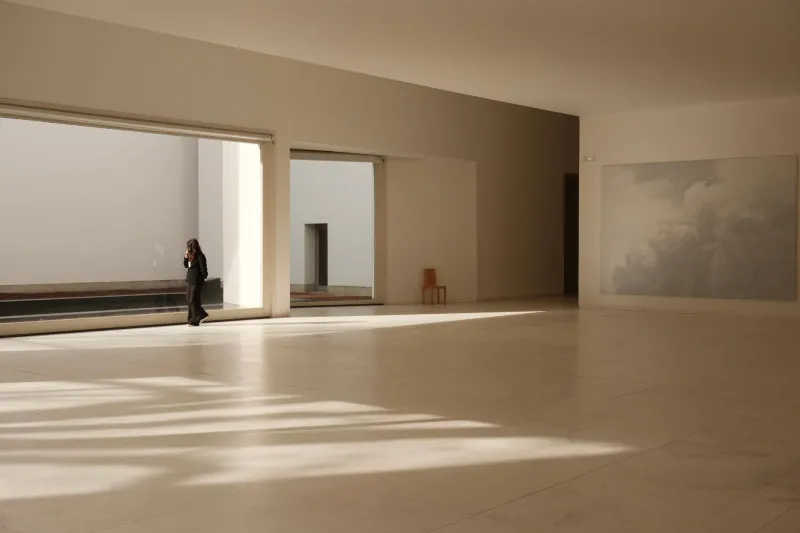
There's a particular feeling you get walking into a well-designed Japanese museum. It's not overwhelming. It's not loud. You're not bombarded with information or nudged from one thing to the next like you're on a conveyor belt. Instead, you slow down. You look. You actually see what's in front of you — sometimes for longer than you expected, sometimes in a way that surprises you.
That feeling is increasingly showing up in unexpected places across America: in living rooms in Portland, in small gallery spaces in Brooklyn, in Etsy shop photography and Instagram feeds from artists who've never set foot in Japan but have clearly absorbed something from its visual culture. Japanese curation principles are quietly infiltrating the way Americans think about displaying the things they care about — and for a lot of people, it's changing everything.
The Space Between Is the Point
In Japanese design and exhibition culture, ma — the concept of meaningful negative space — isn't just aesthetic preference. It's a philosophy. The gap between objects isn't empty. It's active. It holds tension, invites contemplation, and gives each piece a kind of dignity that crowding simply destroys.
Compare that to the traditional American approach to displaying a collection. More is more. Fill the shelf. Line the walls. Show the breadth. There's a generosity to it, sure — a kind of abundance mentality — but it can also flatten everything. When everything is on display, nothing really stands out. The eye doesn't know where to land, and the emotional connection you might feel to any one piece gets diluted by the noise of everything else around it.
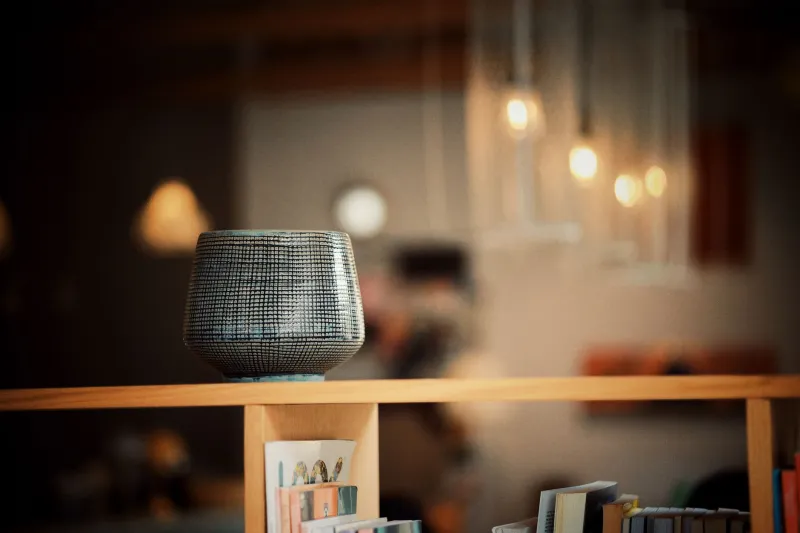
Japanese exhibition design flips that logic. A single ceramic bowl on a low wooden shelf, lit from one side, with nothing competing for your attention — that bowl becomes a moment. It asks something of you. And you give it.
Collectors Who Started Editing
Take someone like Marcus Webb, a vintage record collector based in Austin who spent years building floor-to-ceiling shelves crammed with over 4,000 albums. He loved his collection. But he noticed something: guests would walk in, nod appreciatively, and move on. Nobody lingered. Nobody asked questions. Nobody really engaged.
After spending time researching Japanese kura storage traditions — where precious objects are rotated in and out of view rather than displayed all at once — he started pulling most of his records into storage and displaying only a rotating selection of ten to fifteen. He built a small wooden stand. He started lighting it properly. He printed minimal handwritten notes about each album, the way a museum might offer a brief wall text without overwhelming the piece.
Now people stop. They pick things up. They ask about the stories. His collection hasn't changed — but the way people experience it has completely transformed.
This kind of intentional editing is showing up across creative communities. Potters in the Pacific Northwest are applying it to their studio sales, displaying three or four pieces at a time rather than entire inventories. Small clothing boutiques in cities like Nashville and Denver are borrowing from the spare, considered aesthetic of Japanese concept stores — fewer items, more space, better lighting, stronger visual identity.
Online Galleries Are Getting the Memo Too
It's not just physical spaces. Digital display culture is catching up.
For years, the conventional wisdom for artists selling or sharing work online was volume. Post constantly. Show everything. Keep the feed full. The algorithm rewards frequency, or so the thinking went. But a growing number of American creators have started applying Japanese curation principles to their online portfolios and social presence — and finding that restraint actually builds stronger connections.
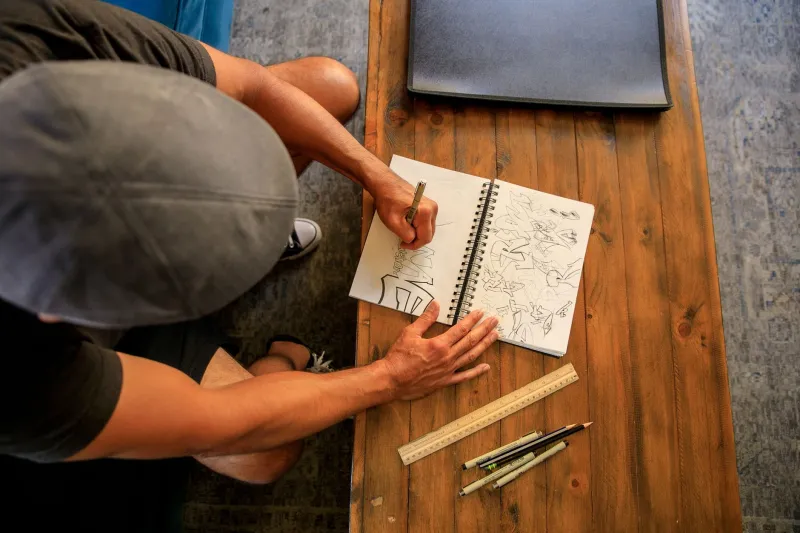
Artist and illustrator Dani Orozco, based in Chicago, spent most of her early career posting every sketch, every experiment, every work-in-progress. Engagement was fine. But she felt like people weren't really seeing her best work because it kept getting buried. She made a deliberate shift: she started treating her portfolio grid the way a gallery director might treat a wall. Each post had to earn its place. She started spacing work out, framing each piece with more intentional photography, writing captions that gave context without over-explaining.
The result wasn't overnight. But over a few months, she noticed something shift — people started commenting differently. Less "cute!" and more actual responses to the work itself. Collectors started reaching out. She was showing less, but people were absorbing more.
Why This Resonates Right Now
There's probably a reason this particular cultural exchange is happening at this particular moment. Americans are deep in a reckoning with consumption — physical and digital. The dopamine loop of constant new content, constant acquisition, constant display is wearing people out. There's a growing hunger for experiences that feel considered, that slow you down rather than speed you up.
Japanese curation culture offers a ready-made framework for that. It's not about minimalism for minimalism's sake — it's about meaning. It's about the idea that the way you present something is itself a form of communication. That choosing what to show, and what to hold back, is a creative act. That the space around something is part of what makes it worth looking at.
For American creators and collectors who've always cared deeply about their work but struggled to get others to engage with it at the same depth, this feels less like a trend and more like a permission slip.
Bringing It Home
You don't need to redesign your entire space or rebuild your portfolio from scratch. The shift can start small. Pick one shelf and remove two-thirds of what's on it. Rotate what you display seasonally. Photograph your work against a plain background with a single light source. Give your best pieces the gift of context — a small note, a story, a reason this particular thing matters.
The Japanese approach to curation isn't about having less. It's about letting what you have actually land. And if you've spent years building a collection, creating a body of work, or curating a creative identity — don't you want people to actually feel it?
Sometimes the most powerful thing a wall can do is stay mostly empty.