Kurodami Sato Art, Music & Stories From My World to Yours

Kurodami Sato

Art, Music & Stories From My World to Yours

Latest Articles

Rename Yourself: The Japanese Artist Tradition of Becoming Someone New on Purpose
Art & Design

Rename Yourself: The Japanese Artist Tradition of Becoming Someone New on Purpose

In Japan, changing your name as an artist isn't a PR stunt — it's a philosophical act with centuries of tradition behind it. From kabuki actors inheriting legendary names to manga artists shedding their identities between series, this practice treats reinvention as craft. Here's what Western creators can learn from treating their name like a living, evolving work.

Stop Watching Who's Watching: The Japanese Creator Paradox That's Building Bigger Audiences by Ignoring Them
Music & Culture

Stop Watching Who's Watching: The Japanese Creator Paradox That's Building Bigger Audiences by Ignoring Them

The analytics dashboard is supposed to tell you who your audience is and what they want. But a growing number of Japanese creators have figured out something strange: the less attention they pay to who's watching, the more people show up to watch. This is the paradox at the heart of some of the most quietly successful creative careers happening right now.

Breathe It In: How Japanese Craft Studios Designed a Workspace Your Whole Body Can Feel
Art & Design

Breathe It In: How Japanese Craft Studios Designed a Workspace Your Whole Body Can Feel

Before the first brushstroke, there's the smell of cedar and wet ink. Japanese artisans have long understood that creativity lives in the body, not just the eyes — and their studio spaces are built to prove it. Here's what happens when American creators start designing for every sense.

Let the Season Lead: How Haiku's Old Clock Is Fixing the Burnout Calendar
Music & Culture

Let the Season Lead: How Haiku's Old Clock Is Fixing the Burnout Calendar

Japanese haiku has always moved with the seasons — not despite them. Now a wave of American creators is borrowing that same cyclical thinking to escape the relentless pressure of always-on content, and what they're finding on the other side might surprise you.

One Person, Thousands of People: The Strange Community Inside Solo Creative Work
Art & Design

One Person, Thousands of People: The Strange Community Inside Solo Creative Work

Working alone doesn't have to mean working in a vacuum. Across music, art, and writing, solo creators are discovering that stripping away the team actually brings audiences closer — and Gen Z is paying attention in ways that polished, committee-made content never quite managed.

Post the Ugly Draft: Why Sharing Your Worst Work First Is the Smartest Thing You Can Do
Art & Design

Post the Ugly Draft: Why Sharing Your Worst Work First Is the Smartest Thing You Can Do

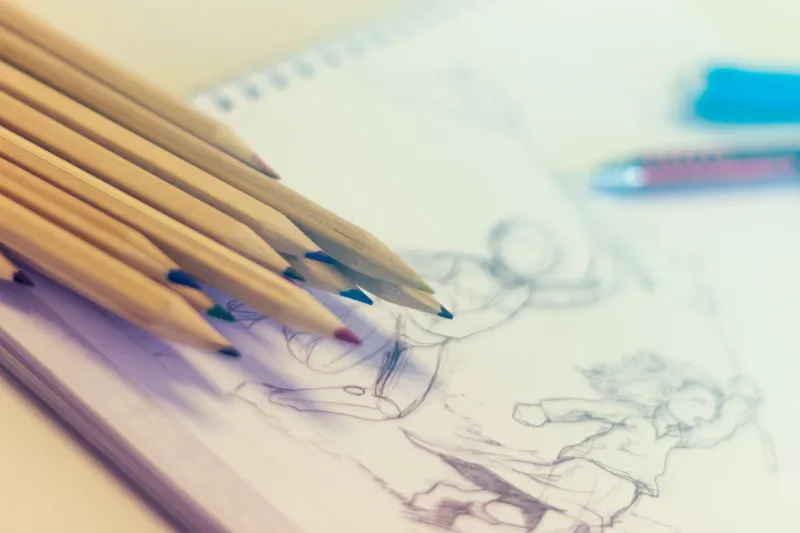
Polished final products used to be the only thing worth showing. Now the creators gaining the most trust are the ones brave enough to share what it looked like before they got there — rough sketches, failed experiments, rejected ideas and all. Here's why that's not humility. It's strategy.

Open Enough: How Japanese Creators Share Just the Right Amount of Themselves
Music & Culture

Open Enough: How Japanese Creators Share Just the Right Amount of Themselves

Japanese artists are cracking a code that most American creators haven't figured out yet — how to let fans in without handing them everything. It turns out that strategic openness, rooted in centuries of Japanese storytelling tradition, builds the kind of loyalty that oversharing never could.

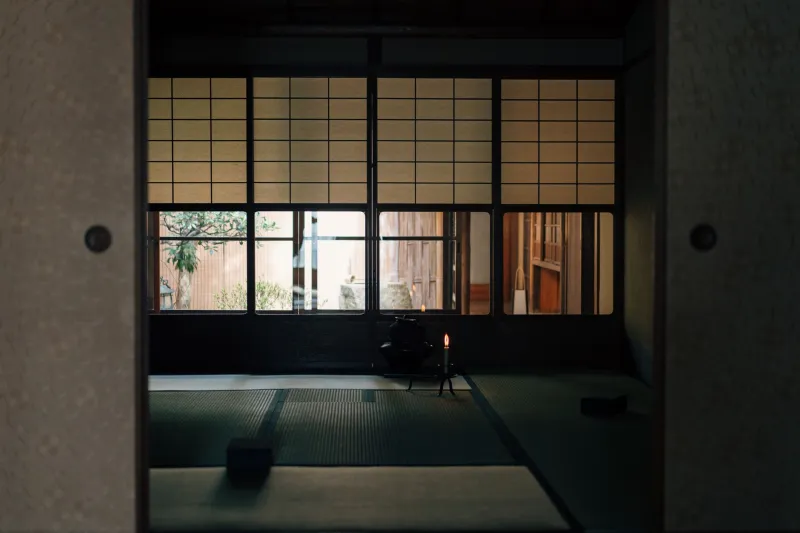
Four-and-a-Half Mats and a Wi-Fi Password: What Tea Room Design Teaches Us About Building Digital Spaces That Actually Feel Like Something
Art & Design

Four-and-a-Half Mats and a Wi-Fi Password: What Tea Room Design Teaches Us About Building Digital Spaces That Actually Feel Like Something

The Japanese tea room wasn't built to impress — it was built to make you feel. Now creators across the US are borrowing its principles to design online spaces that slow people down, draw them in, and keep them coming back for reasons that have nothing to do with an algorithm.

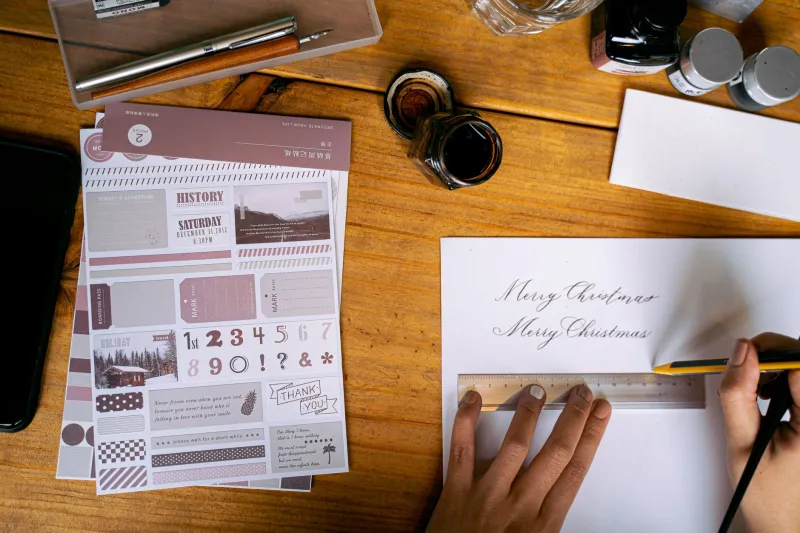
Ink on Paper, Meant for You: How Japanese Letter Culture Is Pulling Gen Z Away From the Screen
Art & Design

Ink on Paper, Meant for You: How Japanese Letter Culture Is Pulling Gen Z Away From the Screen

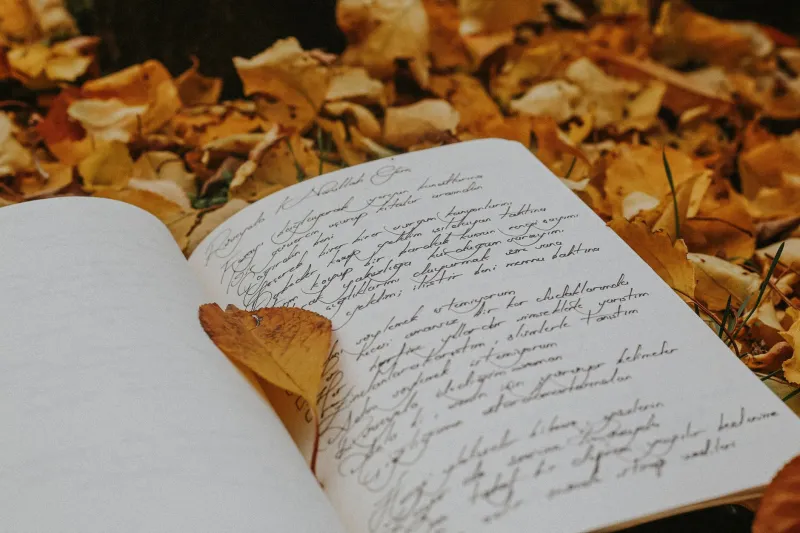
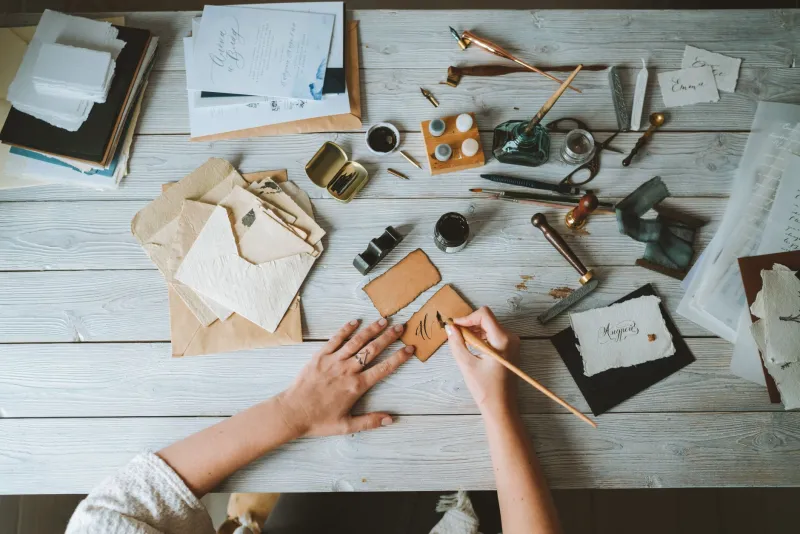
Something unexpected is happening in the age of disappearing messages and reply-all chaos: young American creators are picking up pens. Inspired by Japan's deep tradition of intentional correspondence, a quiet underground of handwritten letters, artist postcards, and personal zines is spreading across the US. It turns out paper has a kind of staying power that no notification badge can touch.

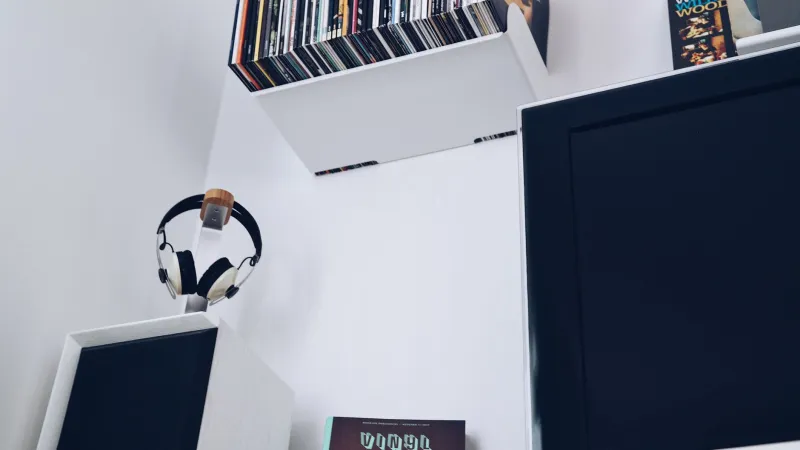
Doing Nothing Has Never Sounded So Good: Why Japanese Ambient Music Is Gen Z's Unlikely Focus Weapon
Music & Culture

Doing Nothing Has Never Sounded So Good: Why Japanese Ambient Music Is Gen Z's Unlikely Focus Weapon

Forget lo-fi girl and binaural beats — Gen Z is quietly turning to Japanese ambient and environmental music to get things done. From Hiroshi Yoshimura's decades-old water soundscapes to modern experimental artists carrying that tradition forward, a new kind of sonic philosophy is reshaping how younger Americans think about work, creativity, and what it actually means to focus.

They Stopped Counting and Started Connecting: The Japanese Artist Playbook That's Quietly Breaking the Internet
Art & Design

They Stopped Counting and Started Connecting: The Japanese Artist Playbook That's Quietly Breaking the Internet

Some of Japan's most devoted fan communities formed around creators who never once checked their engagement rate. This is the counterintuitive story of what happens when artists stop optimizing and start trusting — and why US creators are paying close attention.

Going It Alone Has Never Looked This Good: What Japanese Creators Know About Working Solo
Art & Design

Going It Alone Has Never Looked This Good: What Japanese Creators Know About Working Solo

While the rest of the internet is busy sliding into DMs for collabs, a quiet movement of Japanese artists is doubling down on solo work — and building devoted audiences in the process. Here's what the Japanese philosophy of purpose-driven creation is teaching American creators about the power of a singular vision.

When the Wall Does the Talking: How Japanese Curation Is Changing the Way Americans Display What They Love
Art & Design

When the Wall Does the Talking: How Japanese Curation Is Changing the Way Americans Display What They Love

More and more American collectors, home designers, and small business owners are borrowing from Japanese exhibition principles — and the results are quietly stunning. It turns out that showing less, choosing deliberately, and giving each piece room to breathe might be the most powerful thing you can do with the things you love. Here's what's driving the shift.

Getting Paid to Stay Unfinished: How Japanese Creators Turned the Process Into the Product
Art & Design

Getting Paid to Stay Unfinished: How Japanese Creators Turned the Process Into the Product

A growing number of Japanese artists are making real money from work that hasn't — and might never — reach a final form. Instead of chasing the polished finish line, they're inviting fans inside the messy, evolving middle. And honestly? That's where all the good stuff lives.

What Japanese Museums Know About Showing Less and Meaning More
Art & Design

What Japanese Museums Know About Showing Less and Meaning More

Japanese curatorial philosophy isn't about filling walls — it's about making each piece breathe. More and more American creators are borrowing this edit-first mindset, and the results are quietly reshaping how we present work online and off.

Less Is Louder: What Japanese Communication Culture Is Teaching American Creators About the Power of Holding Back
Art & Design

Less Is Louder: What Japanese Communication Culture Is Teaching American Creators About the Power of Holding Back

In a content landscape that rewards volume, a growing wave of American artists and musicians is finding inspiration in a Japanese principle that flips the script entirely. What you leave unsaid might be your most powerful creative tool. Here's why strategic restraint is quietly becoming the new flex.

The Art of Saying No: How Japan's Most Respected Creators Are Protecting Their Vision in a World That Won't Stop Asking
Art & Design

The Art of Saying No: How Japan's Most Respected Creators Are Protecting Their Vision in a World That Won't Stop Asking

In an era where every DM is a pitch and every opportunity feels mandatory, some of Japan's most admired artists are quietly declining the noise. Here's what their refusal to collaborate reveals about the true cost of visibility — and what American creators might want to steal from their playbook.

Solo by Design: How Japan's Tradition of Contemplative Making Is Changing the Way American Creatives Work
Art & Design

Solo by Design: How Japan's Tradition of Contemplative Making Is Changing the Way American Creatives Work

Something is shifting in American creative culture — and it's not trending on TikTok yet, which is kind of the point. More artists and makers are choosing to work alone, not because they have to, but because they've decided that solitude is where the real work actually happens. Turns out, Japan has understood this for centuries.

Quiet Money: How Japanese Creators Are Building Real Careers Without Chasing Clout
Music & Culture

Quiet Money: How Japanese Creators Are Building Real Careers Without Chasing Clout

Forget the algorithm. A growing wave of Japanese artists is proving that a smaller, more devoted audience can actually pay the bills — and keep your sanity intact. Here's why American creators are starting to take notes.

Silence Is Not Guilt: Why Japanese Artists Are Done Explaining Themselves to the Internet
Art & Design

Silence Is Not Guilt: Why Japanese Artists Are Done Explaining Themselves to the Internet

There's a growing tension between Western social media's demand for artistic accountability and the way many Japanese creators have always operated — quietly, confidently, and without apology. Some of the most compelling voices in art right now are the ones refusing to explain a single brushstroke. Here's why that might be the most radical creative stance of our time.